Parasteatoda Tepidariorum Lineart
A Seasonal Embroidery Designer’s First Look at This Delicate Bug Motif
As an embroidery designer who’s built holiday collections for Etsy sellers, craft fairs, and small-batch apparel brands for over 12 years, I approach every new machine embroidery design with two questions: “Will it resonate with real shoppers during peak gifting seasons?” and “Can it translate cleanly across multiple product types without compromising quality or brand voice?” That’s why Parasteatoda Tepidariorum Lineart caught my attention—not as a novelty bug motif, but as a quietly versatile seasonal embroidery asset.
Mood & Aesthetic: Subtle, Sophisticated, Unexpectedly Festive
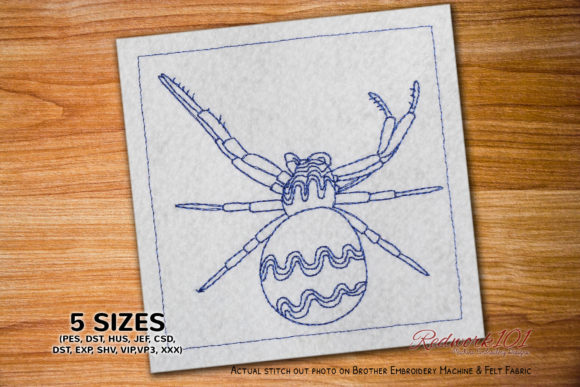
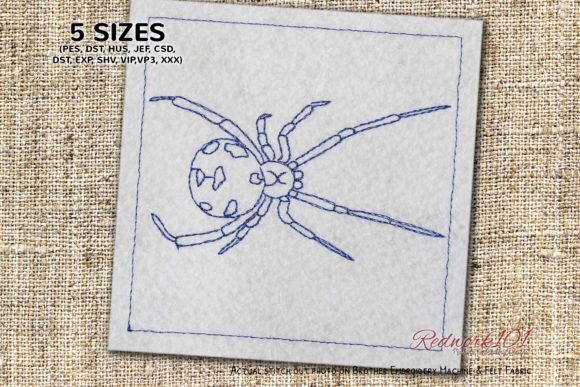
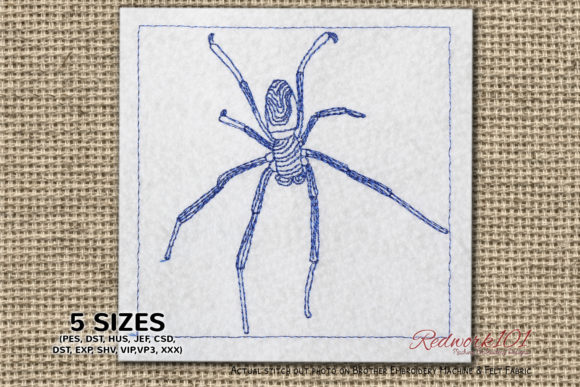
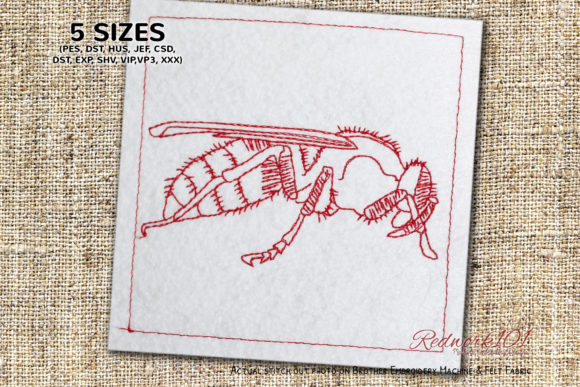
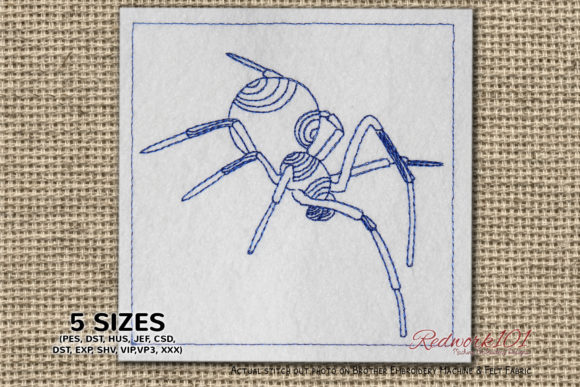
At first glance, Parasteatoda Tepidariorum Lineart reads as minimalist, precise, and quietly elegant—more botanical sketch than cartoon bug. It carries a gentle, nostalgic tone: think vintage apothecary labels, quiet autumn evenings, or cozy farmhouse kitchen decor. It’s not overtly “holiday,” but that’s its strength. In a market saturated with candy canes and glittery snowflakes, this embroidery file stands out by leaning into understated charm. It feels rustic yet modern, curious yet calming—ideal for customers seeking handmade gifts with personality, not cliché.
The lineart style means low stitch density, clean edges, and excellent scalability. That’s critical when planning seasonal embroidery for diverse substrates—from lightweight cotton pillow covers to medium-weight kitchen towels. And because the outer box is optional (and often in a contrasting color), you retain full creative control: use it as a framing device for ornaments or gift tags, or omit it entirely for a seamless, organic look on baby onesies or linen napkins.
Where Parasteatoda Tepidariorum Lineart Shines in Holiday Product Strategy
This isn’t just a design—it’s a flexible visual anchor for cohesive seasonal storytelling. Here’s how it performs where it matters most:
- Etsy listings: Paired with warm-toned mockups (think oatmeal sweatshirts, sage green totes, or ivory tea towels), Parasteatoda Tepidariorum Lineart boosts perceived craftsmanship. Shoppers associate clean lineart with intentional design—and that translates directly to higher conversion and fewer returns.
- Gift bundles: Works beautifully alongside monogrammed initials, tiny sprigs of rosemary, or minimalist “Home” or “Gather” text. Its neutral, non-gendered appeal makes it perfect for family matching items—think coordinating aprons, oven mitts, and embroidered patches for kids’ backpacks.
- Craft fair displays: On natural-fiber table linens or framed embroidery hoops, it reads as artisanal and thoughtful—not kitschy. Customers pause longer, ask questions, and remember your booth.
- Social media previews: The simplicity of Parasteatoda Tepidariorum Lineart scales beautifully for Instagram carousels and Pinterest pins. It photographs clearly on both light and dark backgrounds, and its fine detail holds up even in thumbnail size.
- Printable mockups & promotional graphics: Because it’s line-based and uncluttered, it integrates cleanly into printable gift tags, packaging stickers, and digital holiday lookbooks—extending your brand consistency beyond the stitched piece.
Use With Intention: Key Considerations for Real-World Production
Not every surface welcomes delicate lineart equally. As a working embroidery designer, I recommend using Parasteatoda Tepidariorum Lineart thoughtfully—not everywhere, but where it adds value:
- Avoid ultra-small hoop sizes (<5” diameter) unless simplifying or enlarging—fine legs and web details may lose clarity below 3.5” height.
- Test thread colors rigorously on both light and dark fabric. A soft charcoal gray or deep forest green often reads richer than black on textured towels or brushed cotton.
- Stabilizer choice matters. Use cutaway for stretchy garments (like holiday-themed lounge sets) and tear-away for stable, low-pile fabrics like linen pillow covers or cotton aprons.
- Dark fabric? Skip metallic thread. The fine lines need contrast—metallics can blur detail and reduce legibility on navy, charcoal, or burgundy.
- Thick terry cloth (e.g., premium kitchen towels)? Increase underlay and confirm stitch density isn’t too sparse—lineart can sink into pile if not properly anchored.
- Curved surfaces (caps, mugs with wraps, curved ornaments)? Flatten the design digitally first—or choose alternate placements (side seam of a tote, lower corner of a pillow cover) where distortion is minimal.
Why This Bugs Category Design Builds Trust & Seasonal Value
In holiday shopping, emotion drives purchase. Parasteatoda Tepidariorum Lineart taps into curiosity, quiet joy, and appreciation for nature’s subtle beauty—feelings that align with mindful gifting, sustainable choices, and personalized meaning. Unlike trend-driven motifs that fade after December, this digital embroidery file has year-round legs: reposition it for spring garden collections, summer cottagecore lines, or back-to-school teacher gifts.
It also strengthens customer trust. When buyers see consistent, high-fidelity stitching across your small shop product range—whether on a $28 embroidered patch or a $98 linen pillow cover—they infer care, expertise, and reliability. That perception elevates perceived value, supports premium pricing, and encourages repeat purchases beyond the holidays.
For Etsy sellers and handmade gift makers, Parasteatoda Tepidariorum Lineart also solves a common problem: standing out in the “Bugs” category without leaning into Halloween-only tropes. It’s festive *without* being seasonal—making it ideal for evergreen listings that convert all year, then surge during October–December gifting windows.
Final Designer Notes Before You Stitch
Before adding Parasteatoda Tepidariorum Lineart to your holiday lineup, do these five things:
- Confirm commercial licensing status—especially if selling finished products on Etsy or at craft fairs.
- Run a test stitch on your target fabric + stabilizer combo; check for skipped stitches or thread breaks in fine segments.
- Review small details post-stitch: Are spider legs crisp? Is the web structure legible? Adjust tension or digitizing settings if needed.
- Create realistic mockups using actual garment photos—not generic templates—to showcase scale and texture accurately in listings.
- Plan a cohesive color palette across your collection: pair the design with 2–3 supporting thread colors and 1–2 complementary neutrals for packaging and photography.
When used with purpose, Parasteatoda Tepidariorum Lineart isn’t just another embroidery file. It’s a quiet differentiator—a mark of thoughtful curation, technical confidence, and genuine connection to what today’s holiday shoppers truly value: authenticity, intention, and handmade warmth.