Black Widow Spiders: A Bold Seasonal Embroidery Choice
First Impression: Edgy, Festive, and Unmistakably Memorable
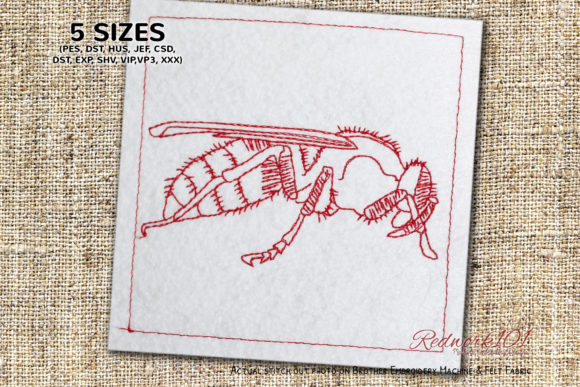
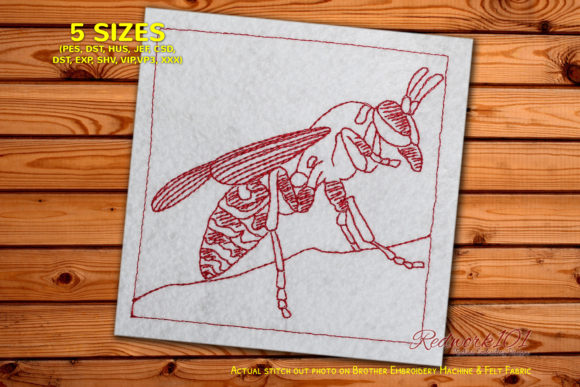
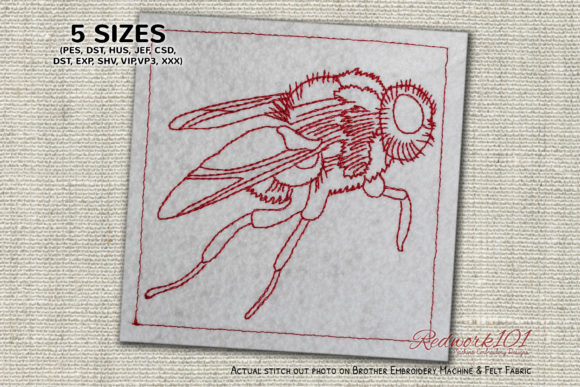
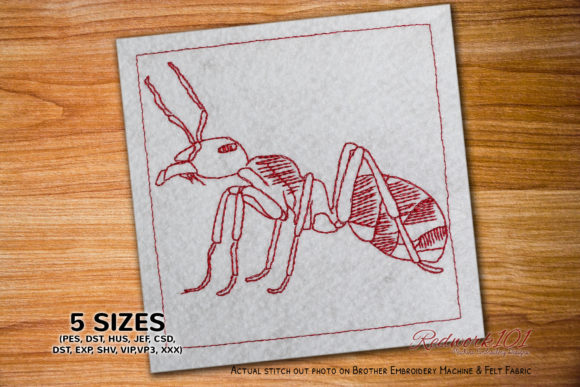
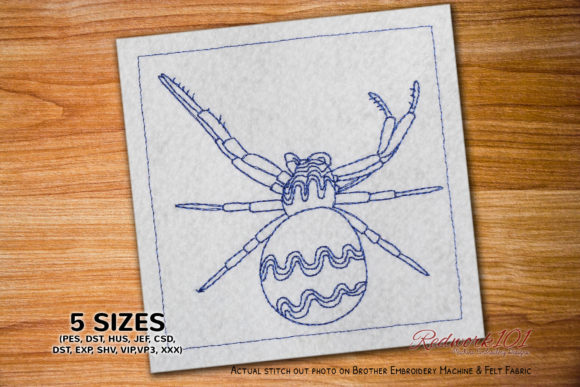
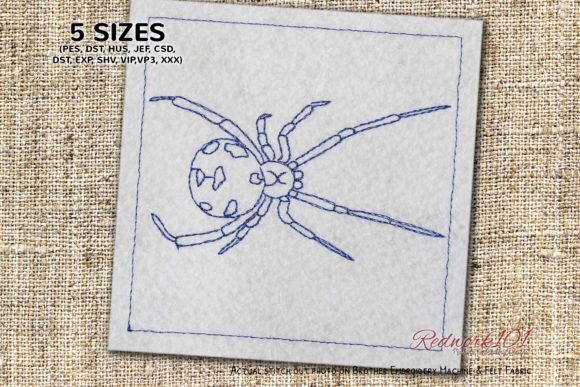
As an embroidery designer who’s built seasonal collections for over twelve years, my first reaction to Black Widow Spiders was immediate recognition—not just of the subject, but of its emotional weight. This isn’t a timid bug motif. It’s confident, stylized, and carries a quiet drama that reads beautifully on holiday products. Think midnight-black velvet ornaments, charcoal sweatshirts for fall family photos, or linen pillow covers styled in moody autumn vignettes. The tone lands somewhere between modern gothic and playful macabre—ideal for customers who love Halloween charm without cliché, or Thanksgiving table linens with unexpected edge. It feels premium, not cartoonish; detailed, not cluttered. And because it’s rooted in the Bugs category yet elevated by strong line work and intentional negative space, it avoids feeling juvenile or overly literal.
Where Black Widow Spiders Shines in Real Holiday Selling
This machine embroidery design thrives where personality meets practicality. On sweatshirt embroidery, it anchors a cozy, conversation-starting look—especially when paired with tonal thread colors like deep plum or forest green. As a tote bag design, it adds instant character to gift-ready bundles (think “Spooky Season Starter Kit” with candles, tea, and a mini embroidered ornament). For kitchen towel embroidery, it brings wit to farmhouse-style gifting—just avoid placing it near high-friction seams. As a pillow cover motif, it holds up beautifully at 5x7" hoop size, offering visual impact without overwhelming the fabric. And yes—it works surprisingly well on embroidered patch applications for jackets, backpacks, or even baby onesies (when scaled thoughtfully and paired with soft stabilizer).
Etsy sellers will appreciate how Black Widow Spiders performs in listings: it’s highly searchable during October–December, attracts niche buyers seeking handmade gifts with attitude, and stands out in social media previews against generic pumpkins or ghosts. At craft fairs, it draws attention in curated displays—especially when shown alongside complementary designs like crescent moons or dried florals. And for limited-edition apparel drops? It builds anticipation. Customers remember bold motifs—and they return for matching items: parent/child sweatshirts, coordinating aprons and oven mitts, or monogrammed holiday stockings with a subtle spider accent.
Where to Use Black Widow Spiders Thoughtfully
Not every surface is ideal—and as a designer, I always flag where caution is needed. Avoid using Black Widow Spiders on curved caps or stretchy garments unless you’ve tested stitch density and underlay on similar fabric. Its clean lines can distort if hooping tension isn’t precise. On thick towels or heavy canvas, confirm your stabilizer choice supports fine detail—cutaway works best for dense areas. Dark fabric demands careful thread colors: test metallics only if the file supports them (and always check stitch count first—high density + metallic = skipped stitches). Tiny hoop sizes (<4") risk losing definition in leg detail or abdominal shading—scale down only after stitching a sample. And while the optional outer box adds framing elegance, skip it entirely on baby items or items meant for frequent washing unless you’re certain the box color won’t bleed or fray.
Seasonal Appeal & Emotional Resonance
Black Widow Spiders taps into a growing trend: holiday individuality. Shoppers no longer want one-size-fits-all cheer—they want authenticity, wit, and visual cohesion across their home and wardrobe. This seasonal embroidery design delivers that. It increases perceived product value simply by standing apart from mass-market patterns. Gifting it signals thoughtfulness (“They *get* me”), which strengthens customer trust—especially for small shop owners building loyal followings. Visually, it’s instantly recognizable at thumbnail size, boosting engagement in email banners, Instagram carousels, and printable mockups. And because it pairs so naturally with rich, earthy palettes, it supports brand consistency across collections—even if your shop spans Halloween, Thanksgiving, and winter solstice themes.
Practical Designer Notes Before You Stitch
Before adding Black Widow Spiders to your holiday lineup, run these checks:
- Test thread colors on both light and dark fabric—especially for the abdomen’s glossy sheen and leg highlights.
- Confirm stitch density before scaling. High-density files may require slower speeds or specialty needles on delicate textiles.
- Verify hoop size compatibility with your most-used machines—and note whether the optional outer box expands the footprint.
- Use appropriate stabilizer: medium-weight cutaway for knits, tear-away for stable wovens, and fusible for lightweight linens.
- Create realistic mockups—not just white backgrounds. Show it on charcoal sweatshirts, oatmeal tea towels, and matte black ornaments.
- Review small details post-stitch: legs should be crisp, not fuzzy; abdominal shading should read as dimension, not muddiness.
- Plan matching color palettes across your collection—e.g., charcoal, rust, and cream for a cohesive fall drop.
- Confirm commercial licensing before selling finished seasonal products. This digital embroidery file must be cleared for resale of physical goods.
Remember: Black Widow Spiders isn’t just another holiday embroidery file. It’s a storytelling tool—a way to offer customers something tactile, expressive, and emotionally resonant. When stitched with intention and placed thoughtfully on sweatshirts, tote bags, pillow covers, or personalized gifts, it transforms ordinary items into keepsakes. For Etsy sellers, handmade gift makers, and small business owners building authentic seasonal collections, this embroidery file earns its place—not as filler, but as a signature piece.