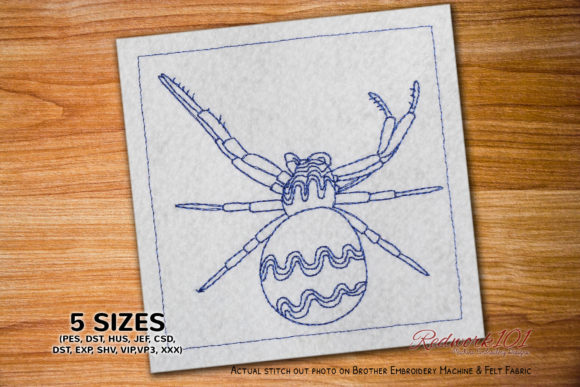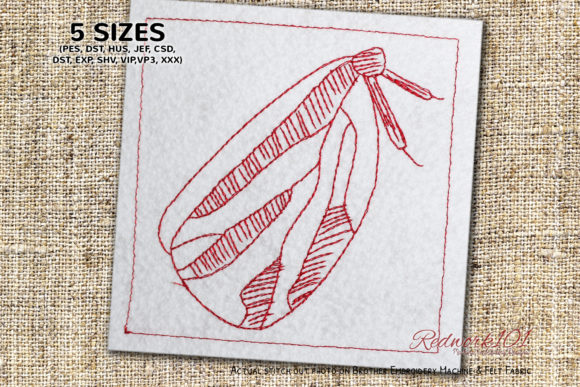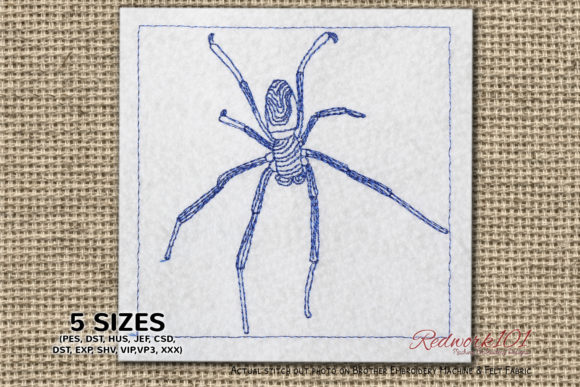
Two Striped Araneomorphae Redwork
A Seasonal Stitch with Quiet Charm and Unexpected Versatility
As an embroidery designer who’s built holiday collections for over a decade—from Halloween to Christmas, Easter to summer garden parties—I approached Two Striped Araneomorphae Redwork with both curiosity and caution. At first glance, it’s not the obvious festive choice: no snowflakes, no holly, no candy canes. But that’s precisely what makes it compelling for today’s buyers. This design carries a subtle, earthy elegance—rustic yet refined, playful but never childish. It leans into quiet nostalgia and gentle whimsy, evoking cottagecore charm, nature-inspired gifting, and mindful handmade aesthetics. The redwork style grounds it in tradition, while the araneomorphae motif (a scientifically precise nod to spider taxonomy) adds intelligent charm—ideal for educators, nature lovers, and small shops seeking thoughtful differentiation.
Where It Shines: Real Holiday Product Applications
Two Striped Araneomorphae Redwork thrives in curated seasonal contexts—not as mass-market decor, but as a signature accent in intentional product drops. On heavyweight organic cotton sweatshirts? It reads as cozy, conversation-starting apparel for autumn festivals or forest-themed baby showers. Translated onto linen kitchen towels or flour-sack tea towels? It becomes heirloom-level home decor—soft, tactile, and quietly sophisticated. As an embroidered patch on denim jackets or canvas tote bags, it lends artisan credibility to Etsy listings and craft fair displays. For holiday gift bundles, pairing it with dried lavender sachets or hand-poured soy candles creates cohesive, “slow holiday” appeal. And on pillow covers or table linens? Its balanced symmetry and clean line work ensure visual harmony—even when grouped with botanical or vintage-inspired motifs.
Performance Across Key Sales Channels
- Etsy sellers: This design stands out in search results for “nature embroidery,” “botanical redwork,” or “educational holiday gifts.” Pair it with strong printable mockups showing realistic fabric drape and lighting—it converts especially well in listings tagged “teacher gift,” “entomology lover,” or “science-themed stocking stuffer.”
- Craft fairs & pop-ups: Display stitched samples on natural fiber backdrops—burlap, raw linen, unfinished wood. Customers respond to its tactile authenticity and storytelling potential. It invites questions, builds connection, and supports premium pricing.
- Social media previews: Film close-ups of thread catching light on a cream towel or soft sweater. Use slow-motion stitching clips paired with gentle voiceover about intentionality and craftsmanship. Avoid over-editing—the design’s strength is its sincerity.
- Personalized gifts: Combine with monogrammed initials or a short date (“Est. 2024”) in matching redwork-style script. Works beautifully on baby onesies, toddler aprons, or keepsake ornaments—especially for nature-loving families or homeschool communities.
Where to Proceed with Intention
This isn’t a one-size-fits-all machine embroidery design. Its delicate line work and subtle contrast demand thoughtful execution. Avoid using Two Striped Araneomorphae Redwork on ultra-small hoop sizes (under 3” diameter)—fine details risk bleeding or stitch loss. Skip it on thick terry cloth towels unless you reinforce stabilizer layers; dense pile swallows fine redwork lines. On dark fabrics, test thread colors thoroughly—traditional red may mute or shift unexpectedly; consider burgundy, brick, or even deep ocher for richer contrast. Metallic threads should be avoided entirely—the design relies on matte texture and hand-stitched authenticity. And while it stitches cleanly on stable wovens, avoid stretchy knits (like jersey) without advanced stabilization—distortion compromises its clean silhouette. Curved surfaces like baseball caps? Not recommended unless you’re using specialized cap hoops and have confirmed stitch density tolerances.
Seasonal Appeal That Builds Trust, Not Trend Fatigue
Holiday shoppers are overwhelmed—and increasingly skeptical of generic, mass-produced charm. Two Striped Araneomorphae Redwork cuts through noise by offering meaning, not just motif. It signals care in curation, respect for craft, and alignment with values like sustainability, education, and slow living. That builds customer trust faster than any discount code. Visually, its clean lines and moderate scale ensure strong recognition across platforms—whether shrunk for Instagram thumbnails or enlarged for shop banners. For small business owners building brand consistency, it pairs seamlessly with neutral palettes (cream, charcoal, sage, oat) and complements other nature-based seasonal embroidery files without clashing. Most importantly, it elevates perceived product value: a sweatshirt with this design feels more like a collectible than a commodity—boosting giftability and encouraging repeat purchases across seasons.
Designer Notes You Can’t Skip Before Stitching
- Test thread colors on both light and dark fabric—redwork relies on tonal contrast, not saturation alone.
- Check stitch density before production runs—dense fills may overwhelm the delicate striped detail; adjust underlay if needed.
- Confirm hoop size compatibility with your intended products—don’t assume standard 4x4 fits all garment placements.
- Use tear-away + cut-away hybrid stabilizer for stability on lightweight linens or towels.
- Create realistic mockups—not just flat PNGs, but draped fabric renders showing shadow, fold, and texture.
- Review stitched samples closely—look for skipped stitches in narrow stripes or thread breaks in tight corners.
- Plan matching color palettes across your seasonal line—e.g., pair this with mushroom motifs, fern silhouettes, or honeycomb patterns in shared earth tones.
- Verify commercial licensing before selling finished products—this is essential for Etsy sellers and small shop owners relying on digital embroidery files.
In a market saturated with predictable holiday tropes, Two Striped Araneomorphae Redwork offers something rare: quiet confidence, intelligent charm, and genuine versatility. It won’t shout—but it will linger in memory, invite touch, and earn pride-of-ownership. For embroidery sellers building meaningful seasonal collections, it’s not just another bug-themed embroidery file. It’s a considered choice—one that aligns craft with customer values, and seasonality with substance.