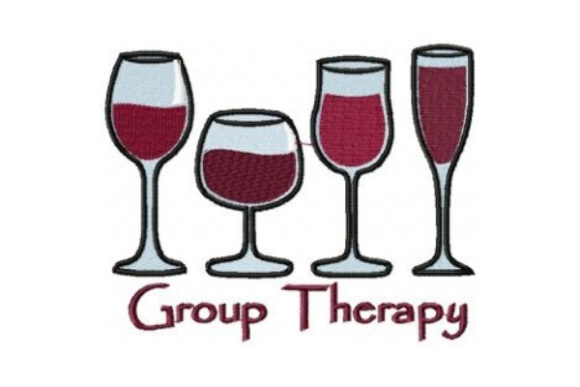
Group Therapy Embroidery Design
As an embroidery designer with years of experience, I've had the chance to review several Creative Fabrica embroidery designs for real-world use. One that stood out for its charm and versatility is Group Therapy. This design is a must-have for anyone looking to create personalized gifts, custom apparel, or commercial embroidery projects centered around wine lovers.
First Impressions: A Stylish and Versatile Design
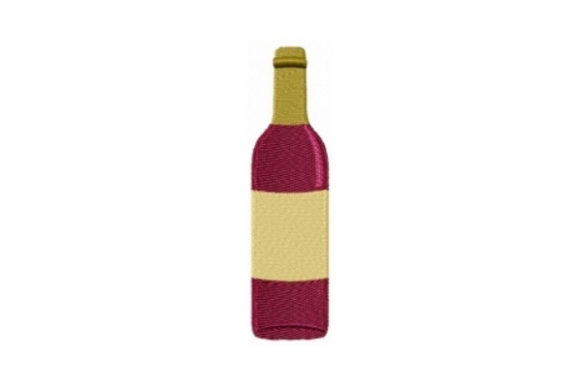
Group Therapy has a soft, inviting visual mood that immediately catches the eye. The design features a group of wine glasses in a casual, social setting, making it perfect for those who love to add a touch of personality to their handmade products. The level of detail is impressive, with clear lines and well-defined shapes that translate beautifully into machine embroidery.
The stitching personality of Group Therapy is elegant yet approachable. It uses a mix of satin stitch and fill stitch to create depth and dimension, while the overall style remains clean and modern. This makes it ideal for a wide range of projects, from simple tote bag designs to more intricate embroidered patches.
Real-World Performance: From Tote Bags to Sweatshirts
I tested Group Therapy on various fabrics and found it performed exceptionally well. Whether stitched on cotton, denim, or even stretchy materials like jersey knit, the design maintained its integrity without puckering or distortion. The stitch density is well-balanced, ensuring a smooth finish without overwhelming the fabric.
One of the standout features of Group Therapy is its adaptability. It works equally well on small hoop sizes, making it a great choice for quick projects like embroidered patches or baby items. The design also handles curved surfaces, such as caps or rounded pillow covers, with ease.
For those working with textured or dark fabrics, Group Therapy holds up well when using proper stabilizer and matching thread colors. I found that using a light-colored thread on dark backgrounds created a striking contrast, enhancing the visibility of the design without compromising the aesthetic.
Practical Use: A Designer's Perspective
When considering Group Therapy for real projects, there are several practical aspects to keep in mind. First, always test the design on scrap fabric before committing to a finished product. This helps identify any potential issues with stitch density or alignment.
Small details, like lettering or intricate elements, should be inspected after stitching to ensure they’re crisp and clear. For commercial embroidery projects, it’s essential to confirm the file details and licensing on the Creative Fabrica product page before selling any finished items.
Group Therapy is also a great fit for printable mockups and design assets. Its clean lines make it easy to incorporate into marketing materials or Etsy listings, helping to boost customer engagement and trust in your handmade products.
Impact on Product Value and Brand Consistency
Using Group Therapy can significantly enhance the value of your handmade products. The design adds a unique, personalized touch that appeals to wine enthusiasts and makes your items stand out in a crowded market. Whether you're creating custom apparel, embroidered patches, or seasonal gifts, this design brings a level of sophistication that elevates the overall presentation.
From a branding perspective, Group Therapy aligns well with themes of relaxation, social connection, and personal expression. It’s an excellent choice for boutique merchandise, craft fair products, or digital product sellers looking to offer high-quality embroidery files.
Final Thoughts: Is Group Therapy Worth It?
After testing Group Therapy on multiple projects, I can confidently say it’s a valuable addition to any embroidery designer’s toolkit. Its versatility, visual appeal, and practical performance make it suitable for both small business owners and creative entrepreneurs.
If you're looking for a machine embroidery design that blends style with functionality, Group Therapy is definitely worth exploring. Just remember to review the product details carefully, test the design on your preferred fabrics, and ensure it aligns with your brand’s vision before incorporating it into your workflow.