Gekkota Lizard on Tree Branch Redwork
A Thoughtful Fit for Nature-Inspired Handmade Brands
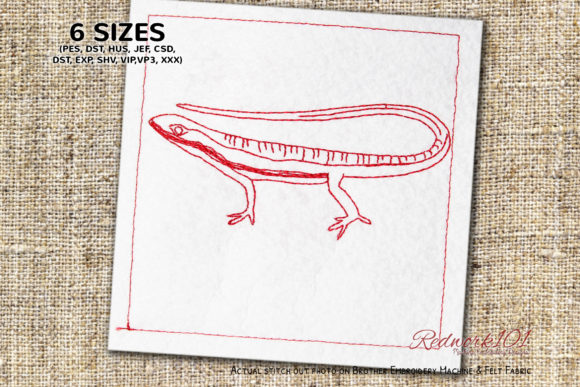
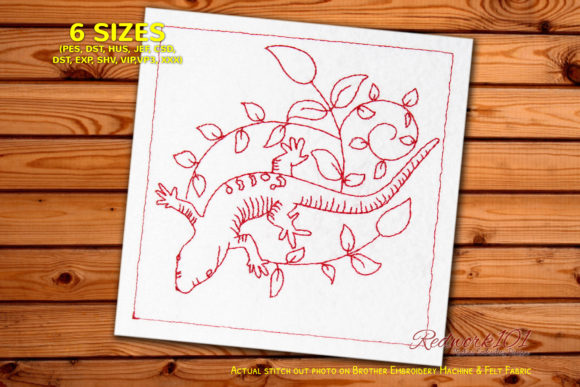
As an embroidery seller who’s curated over 300 designs for Etsy listings and small-batch apparel, I approached Gekkota Lizard on Tree Branch Redwork with a mix of curiosity and caution. Reptile-themed embroidery is niche—but growing—especially among nature lovers, educators, and science-minded gift shoppers. This design stands out not because it’s flashy, but because it’s quietly intentional: clean redwork lines, organic branch framing, and a subtle nod to biological accuracy (Gekkota is the infraorder that includes geckos and their relatives). It reads as rustic yet refined—neither cartoonish nor overly clinical. That balance makes it versatile across product categories without feeling generic.
Where This Design Naturally Shines
Gekkota Lizard on Tree Branch Redwork leans into quiet storytelling rather than bold statement-making. It’s ideal for products where subtlety adds charm: embroidered baby blankets (soft, educational, gender-neutral), linen kitchen towels (artisanal home decor), minimalist tote bags (for botanical shops or indie bookstores), and unisex caps or aprons (great for reptile rescues or nature centers). It also works beautifully as an embroidered patch—small enough for jacket sleeves or backpack accents, detailed enough to hold interest at close range.
Unlike trend-driven motifs, this design avoids seasonal limitations. It’s not Christmas-lizard or Halloween-lizard—it’s year-round, classroom-to-coffee-shop adaptable. For Etsy sellers building cohesive collections, it pairs effortlessly with other nature-based Creative Fabrica embroidery files: fern sprigs, pressed leaf silhouettes, or muted botanical borders.
Commercial Use: Practicality Meets Appeal
For craft businesses selling finished goods, Gekkota Lizard on Tree Branch Redwork supports multiple revenue streams without requiring heavy customization. You can use it as-is for ready-to-ship items—or layer it thoughtfully: stitch it onto a neutral sweatshirt alongside a custom name in fine script for personalized gifts; pair it with a hand-stamped tag for boutique merchandise; or scale it slightly for pillow covers sold as part of a “Wildlife Nesting” home decor set.
From a buyer psychology standpoint, this design elevates perceived value. Its redwork style signals handcrafted care—even when machine-stitched—and the natural subject matter taps into wellness and mindfulness trends. Shoppers browsing for meaningful handmade products often respond to designs that feel intentional and grounded. That translates to higher conversion on listings, better engagement in social media previews, and stronger repeat interest from customers who collect nature-themed pieces.
Photography & Presentation Advantages
This design photographs exceptionally well. The contrast between the redwork lines and natural fabric tones (linen, oatmeal cotton, heather grey fleece) creates instant visual clarity—no need for heavy filters or staging tricks. On a folded kitchen towel or rolled baby blanket, the lizard and branch read clearly even in thumbnail size, which matters for Etsy search visibility. For printable mockups, it integrates cleanly into lifestyle scenes: a tote bag slung over a garden chair, an apron hanging beside dried lavender bundles, or a patch sewn onto a denim journal cover.
It also lends itself to cohesive branding. Use it consistently across product photography backdrops, Instagram story highlights (“Reptile Collection”), and even packaging inserts—reinforcing your shop’s identity as thoughtful, nature-aware, and detail-oriented.
Seller-Smart Next Steps Before Listing
Before adding Gekkota Lizard on Tree Branch Redwork to your production queue, take these practical steps:
- Stitch a test sample on your most-used fabric type—especially if planning for sweatshirt embroidery or baby embroidery, where stabilizer choice and thread tension are critical.
- Photograph the stitch-out on real fabric, not just a digital preview. Lighting, texture, and thread sheen change how the design reads online.
- Compare thread color options. Traditional redwork uses burgundy or brick red, but soft terracotta or charcoal grey can modernize it for minimalist audiences.
- Check readability at thumbnail size. Zoom out to 25% in your image editor—if the lizard’s eye or branch tip blurs into a blob, consider slight simplification or alternate placement.
- Confirm hoop size and stitch density on the Creative Fabrica product page. High-density fills may require heavier stabilizer or longer stitch time—key for pricing labor accurately.
- Review the commercial license terms carefully. While many Creative Fabrica embroidery files allow finished product sales, some restrict quantity or require attribution. Don’t assume—verify before launching your first batch.
Final Thoughts for the Intentional Seller
Gekkota Lizard on Tree Branch Redwork isn’t a viral “must-have” design—but it’s the kind that builds trust. It tells customers you pay attention to subject matter, technique, and context. For Etsy sellers, craft fair vendors, and small shop owners building long-term brands—not just one-off listings—it’s a smart addition to a considered collection. It supports slow-selling, high-margin items (like heirloom baby blankets) as easily as fast-turnaround custom apparel. And because it’s rooted in real biology—not fantasy—it invites conversation, education, and emotional connection. That’s the kind of detail that turns casual browsers into loyal fans.
If you’re evaluating Creative Fabrica embroidery files for your next product drop, give Gekkota Lizard on Tree Branch Redwork serious consideration—not for what it shouts, but for what it quietly communicates: care, curiosity, and craftsmanship.